PILGRIMAGE
Every Camino begins with a decision.
Sometimes the idea grows over months. Sometimes a few days are enough.
And with that decision often come the first questions.
Which route is right for me? How do I prepare? What do I really need? Can I go alone? And what happens once the Camino is over?

Where are you right now?
Before the Path
You’re thinking about setting off, or preparing for your first Camino.
Which route is right for me? How do I prepare? What do I really need? And how do I deal with uncertainty before I start?
On the Path
You’re on the road and realize not everything is going according to plan.
Stages, breaks, strain, encounters, and your own rhythm. Questions come up along the way that are hard to plan for in advance.
After the Path
You’ve arrived. But some of what the Camino stirred up keeps going.
How do you find your way back into everyday life? What stays from the experience? And what do I do with what changed along the way?
Camino Knowledge from Experience
This is a growing collection of experience, answers, and practical guidance on pilgrimage — not from the perspective of a travel guide, but from many years on the road on European pilgrim routes.
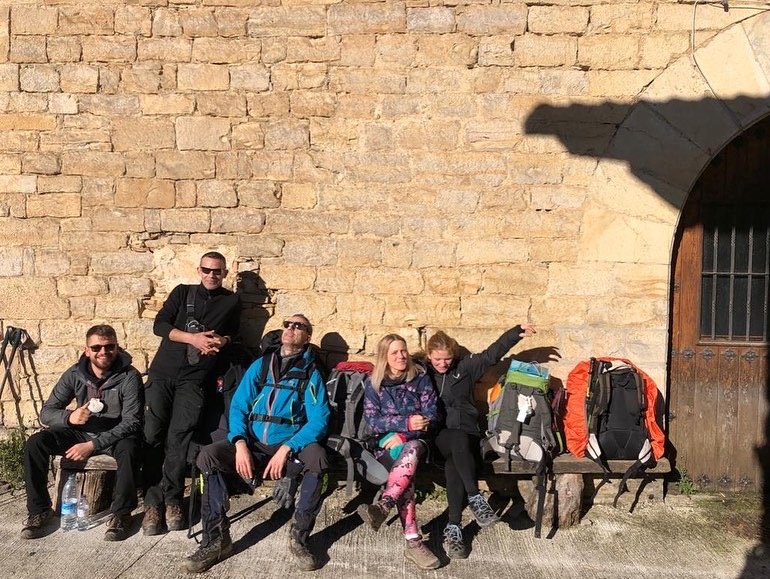
You don’t have to know everything before you set off.
Many questions before a first Camino are legitimate. Gear, fitness, route, and overnight stays can all be prepared for.
But at some point, preparation stops meaning having an answer for every question.
Along the way, I’ve met many people who were unsure before their first Camino. Some were afraid of not being fit enough. Others were afraid of being alone on the road, of not finding a place to sleep, or simply of not knowing what to expect.
A lot of that can be sorted out beforehand, and it makes sense to do so. But you can’t fully plan out a Camino in advance.
The weather changes. Your body reacts differently than expected. A stage turns out to be too long. An encounter changes the whole day. Or you notice, on the road, that the plan you started with no longer fits who you are.
Preparation is meant to give you confidence. It doesn’t have to take away every uncertainty.
Because at some point, preparation turns into walking.

Setting off alone doesn’t mean you have to stay alone.
Many people want to start their Camino alone — and that’s exactly what scares them, too.
Will I connect with anyone? What if something happens? What if I feel lonely along the way?
Starting alone, at first, just means taking that first step by yourself. On the Camino, encounters often happen along the way — while walking, in a hostel, over a meal, or during a break. Some people will keep you company for just a few kilometers, others maybe for several days.
And just as easily, you’re allowed to step back again when you need time for yourself.
You don’t have to know before you start who you’ll be walking with. You’re allowed to just set off first.
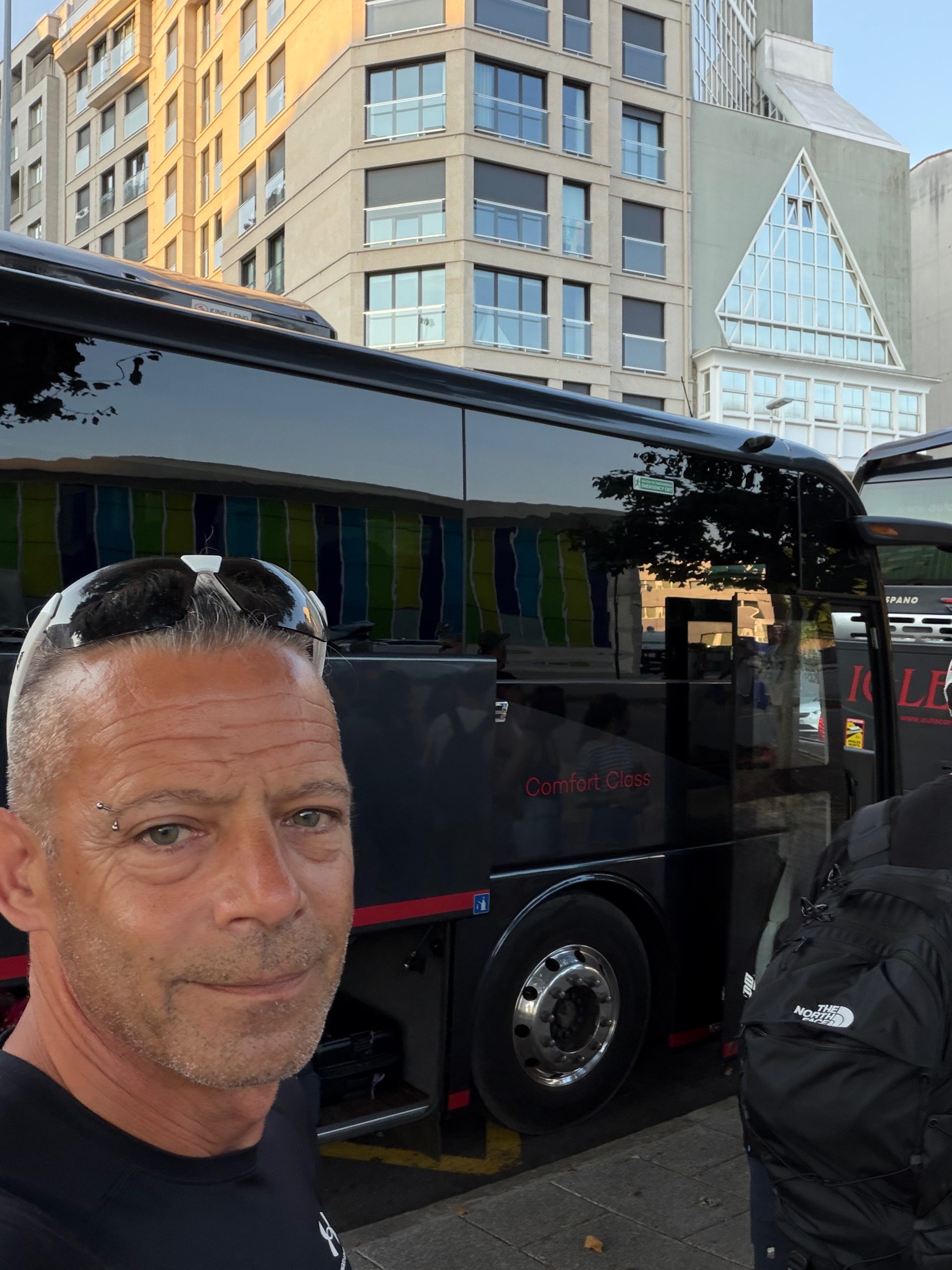
A plan is allowed to change along the way.
Stages can get shorter. Breaks can become necessary. Plans can change. Not every kilometer has to be walked at any cost.
I had to learn myself that changing a plan doesn’t mean failing. Sometimes it simply means responding to what’s actually happening.
The Camino isn’t a performance test.
And what comes after Santiago?
Many pilgrims spend a lot of energy figuring out how to get to Santiago.
The question of what happens to those experiences afterward often gets far less attention.
Experience isn’t automatically insight. Insight isn’t automatically change.
I’ve experienced myself that you can arrive in Santiago and still be far from having arrived.
The Camino can set something in motion. But at some point you return to an everyday life that might look exactly the same as before. And that’s when it becomes clear what stays from the experience, and what meaning it takes on for your life.
For me, that turned into a question that has stayed with me to this day:
What happens when the Camino ends, but your own path keeps going?
That’s exactly where a thought was born later on that shaped the rest of my path:
Pilgrimage after the pilgrimage.
You don’t need to know what the whole path will do to you.
Sometimes it’s enough to know the next step.
